
- Article
The unsung hero of the roof – NEXLER NOx Cut
Technology you can feel in every breath of the city
Growing social expectations and stricter environmental regulations are changing the face of the construction sector. Today, responsibility for the environment and the health of users is becoming an important part of the investment process. Modern construction is increasingly turning to solutions that not only reduce carbon footprint and energy consumption, but also improve quality of life.
Materials and technologies of the future
One of the most harmful components of urban smog is nitrogen oxides (NOx), which are mainly produced by fuel combustion. The presence of NOx in the atmosphere contributes to the formation of smog, acid rain, infrastructure degradation and serious respiratory diseases. In response to these threats, many countries have introduced strict emission standards for vehicles and banned the use of certain types of fuel in order to improve air quality.
In Poland, significant changes were brought about by the amendment to the Act on Electromobility and Alternative Fuels of December 2024. Among other things, it introduced the obligation to control NOx levels in cities with a population exceeding 100,000. The new regulations require local authorities to create so-called Clean Transport Zones or Low-emission Transport Zones if the average annual NO₂ level (i.e. 20 µg/m³) is exceeded. These are areas with restricted traffic, mainly for the most polluting vehicles. Forecasts indicate that most large cities in Poland will have to implement these zones.
This measure brings us closer to implementing the WHO recommendations which stipulate that NO₂ levels should not exceed 10 µg/m³ – however, achieving these standards is considered a long-term goal.
However, it is not possible to reduce emissions everywhere, which is why other solutions are also important, solutions that may not so much contribute to reducing emissions as to reducing nitrogen oxides that have already been emitted.
Want to know more?
In a webinar hosted by NEXLER Director of Research and Development, dr inż. Dawid Dębski [PhD, Eng.], you will find answers to the following questions:
- where do nitrogen oxides in urban areas actually come from?
- how does NOx Cut photocatalytic air purification technology work?
- which regulatory trends are making NOx Cut technology increasingly important in modern construction?
NOx Cut technology
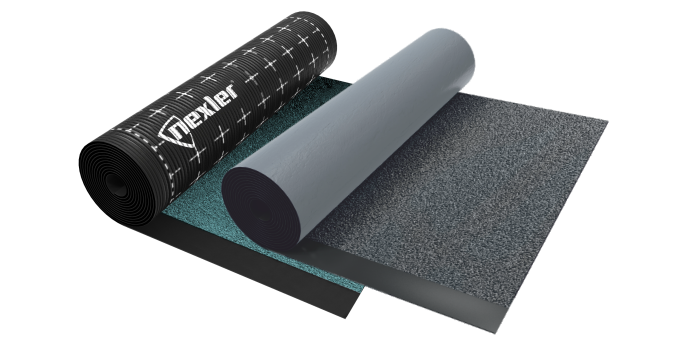
In response to these needs, technologies have been developed that allow buildings to actively participate in improving air quality. NEXLER has implemented a method of reducing NOx emissions in its products, using special photocatalysts which, under the influence of UV radiation and water, oxidise harmful nitrogen oxides into a safe form of nitrates, which are then washed off the roof by rain. As a result, the roof not only fulfils its basic protective function, but also actively participates in improving air quality, operating continuously without the need for intervention. What is more, the coating is durable, does not wear out and does not generate additional operating costs.
Environmental benefits
NOx Cut technology offers the added benefit of allowing rainwater running off the roof to be safely used for watering plants. The nitrates produced during the photocatalysis process are a natural fertiliser and further support the environment.
Another key advantage of NEXLER NOx Cut technology is its real, measurable impact on the environment. Laboratory tests confirm that one square metre of roof covered with this material can neutralise over 25 mg of NOx per hour. This means that a 100 m² roof can clean the air of the amount of NOx pollutants emitted by a single passenger car.
Such properties, although often imperceptible at first glance, significantly increase the attractiveness of the investment and are positively perceived by conscious tenants and business partners.

It’s not just NOx Cut
In addition to air purification technology, NOx Cut bituminous felt is characterised by exceptional durability. It is highly modified with two types of SBS – linear and radial – which ensures high resistance and long service life, confirmed by a system warranty of up to 25 years. In addition, these products have EPD – Environmental Product Declaration, which confirms their environmental impact throughout their entire life cycle, from raw material extraction through production to disposal. This means that customers can be sure that by choosing NOx Cut bituminous felts, they are investing in environmentally friendly solutions that are in line with the principles of sustainable development.
Products used

NOx Cut PYE PV250 S53H
NOx Cut technology heat-weldable top layer bituminous felt
Find out more
NOx Cut PYE PV250 S56H
NOx Cut technology heat-weldable top layer bituminous felt
Find out more
TOP S42 SP
Nox Cut technology top self-adhesive bituminous felt
Find out moreOther articles from the Roof waterproofing category that may interest you
 Article
A roof with a vision – green solutions for investments
Green roofs in modern construction are not a passing trend, but a real market need driven by climate, urbanisation and regulatory challenges. They are a key element of sustainable development strategies, not only distinguishing investments on the market, but also having a real impact on their value and functionality. It is a space where ecology meets long-term safety and technical durability.
 Article
Why is it worth priming the substrate before welding bituminous felt?
A roof that leaks after two seasons? Complaints, lost customer trust – something every roofer wants to avoid. That is why proper substrate preparation, including priming, is not a detail, but the foundation of durable and trouble-free roofing. Although it may seem like a mere ‘formality’, in practice, priming has a huge impact on the durability, safety and effectiveness of the entire waterproofing system. In this article, we explain briefly and concisely why priming is not an option but a necessity.