
Pitched Roof Waterproofing: The Professional and DIYer's Guide to a Watertight Roof
Pitched Roof Waterproofing: The Professional and DIYer's Guide to a Watertight Roof
It only takes 3 minutes to read the article.
This article will cover:
Common Mistakes to Avoid When Waterproofing a Pitched Roof
Choosing the Right Waterproofing Materials
Properly Waterproofing Your Pitched Roof
Pitched roofs are a very common choice for residential construction, as they beautifully combine aesthetics with functionality. They are popular not only for their attractive appearance but also for their excellent ability to efficiently shed rainwater. However, their design can present a challenge for both professional roofers and homeowners undertaking renovation or maintenance work. To ensure the roof's durability and watertightness, it's essential to use the right waterproofing materials for long-term protection. In this article, we'll explore the key aspects of pitched roof waterproofing, from the common mistakes to avoid to the best practices that will ensure effective, long-lasting protection.
Waterproofing Pitched Roofs: Common Mistakes to Avoid
Incorrect Roof Pitch Angle
Roofing felt designed for flat or low-pitch roofs should never be used on surfaces with a slope exceeding 20°. Instead, you must use specialized products that are specifically made for steep-sloped roofs. Choosing the wrong waterproofing material can lead to durability and watertightness issues, ultimately resulting in costly repairs down the line.
Using the Wrong Roofing Planks
Choosing the correct thickness and width for your planks is crucial for creating a stable base for the roofing felt. Panks that are 12-15 cm wide provide optimal strength, while boards that are too narrow may not be strong enough. Conversely, planks that are too wide can warp from moisture and temperature changes. This warping can compromise the long-term durability and waterproofing effectiveness of the entire roof.
Choosing the Wrong Materials
Using materials that don't meet the manufacturer's specifications can seriously compromise the long-term durability of your waterproofing. For example, on roofs with a slope over 20°, you must use mechanically fastened roofing felts, as heat-welded felts can slip immediately after installation and lose their watertight seal. For reliable moisture protection, it's crucial to choose the right materials, such as bituminous membranes, to effectively waterproof the roof.
So, what products should you choose for waterproofing a pitched roof?
NEXLER offers advanced solutions specifically designed for pitched roofs, providing durable, long-lasting protection against moisture and the elements. Choosing the right materials is the key to ensuring your roof covering remains watertight and durable for many years to come.
NEXLER Optimax PV: A Bitumen Membrane for Pitched Roofs
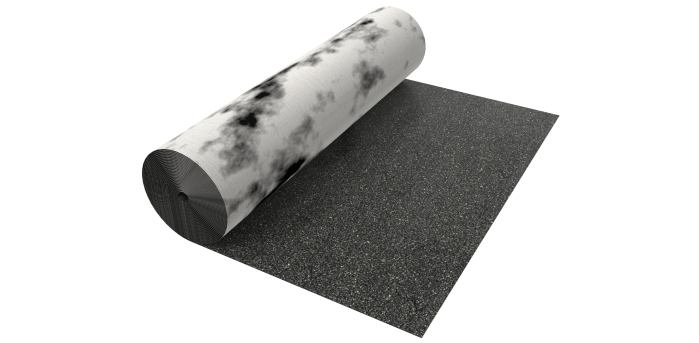
NEXLER Optimax PV is a high-performance bitumen membrane designed to serve as a base layer in pitched roof systems. Despite its thin profile, it boasts exceptional durability and a superior watertight seal, making it an ideal choice for even the most challenging roof structures. Its low weight is a significant advantage, making it much easier to carry and install on the roof. Thanks to its flexibility and weather resistance, NEXLER Optimax PV provides long-lasting and effective waterproofing for your pitched roof.
NEXLER Superdach 20: Roofing Felt for Pitched Roofs
NEXLER Superdach 20 is a roofing felt, also known as a rolled shingle, designed for single-layer roof waterproofing. It's an excellent choice for pitched roofs, offering high resistance to the elements, including rain, snow, and extreme temperature changes. Thanks to its easy application and quick installation, it's a popular choice for both professionals and DIY enthusiasts.
Properly Waterproofing Your Pitched Roof
Both the NEXLER Optimax PV and NEXLER Superdach 20 can be mechanically fastened to a wooden deck using roofing nails (with or without washers). A crucial step is sealing the seams, which creates a completely watertight covering. For this purpose, you can use high-quality cold asphalt adhesives like NEXLER Arbolex Aqua Stop, NEXLER Adhesive for Bituminous Roofing Flets and Shingles, or NEXLER Bituminous Roofing Sealant.
Properly waterproofing a pitched roof requires not only the right materials but also careful application and knowledge of the correct installation techniques. Ultimately, avoiding common mistakes and choosing the right products—like NEXLER Optimax PV and NEXLER Superdach 20 — is crucial for ensuring your roof has reliable, long-lasting protection against moisture.
Products used

Optimax PV
Bituminous membrane for pitched roofs
Find out more
Superdach 20
Single-layer bituminous felt
Find out more